


WELCOME TO
Nyerere National Park (Selous)
Explore Tanzania’s wild river landscapes, where boat safaris, open plains and untamed wilderness create a safari shaped by nature and water.
Tailor-made holidays with a focus on hand picked boutique hotels and luxury hideaways
Let's plan your perfect tripAn adventure shaped by rivers and wilderness
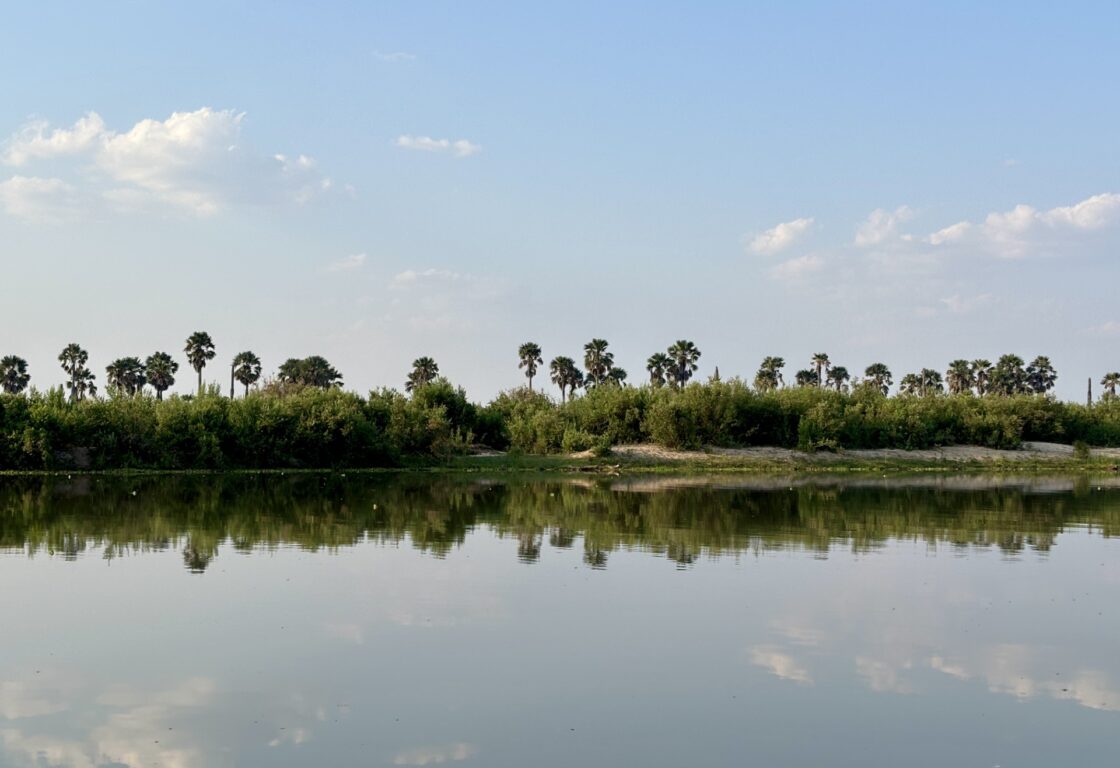
Nyerere National Park, formerly part of the Selous Game Reserve, is one of the defining safari destinations of Tanzania’s Southern Circuit. Vast floodplains, winding river channels and palm-lined lakes create a landscape where wildlife and water are constantly connected, shaping a safari experience that feels very different from Tanzania’s northern parks.
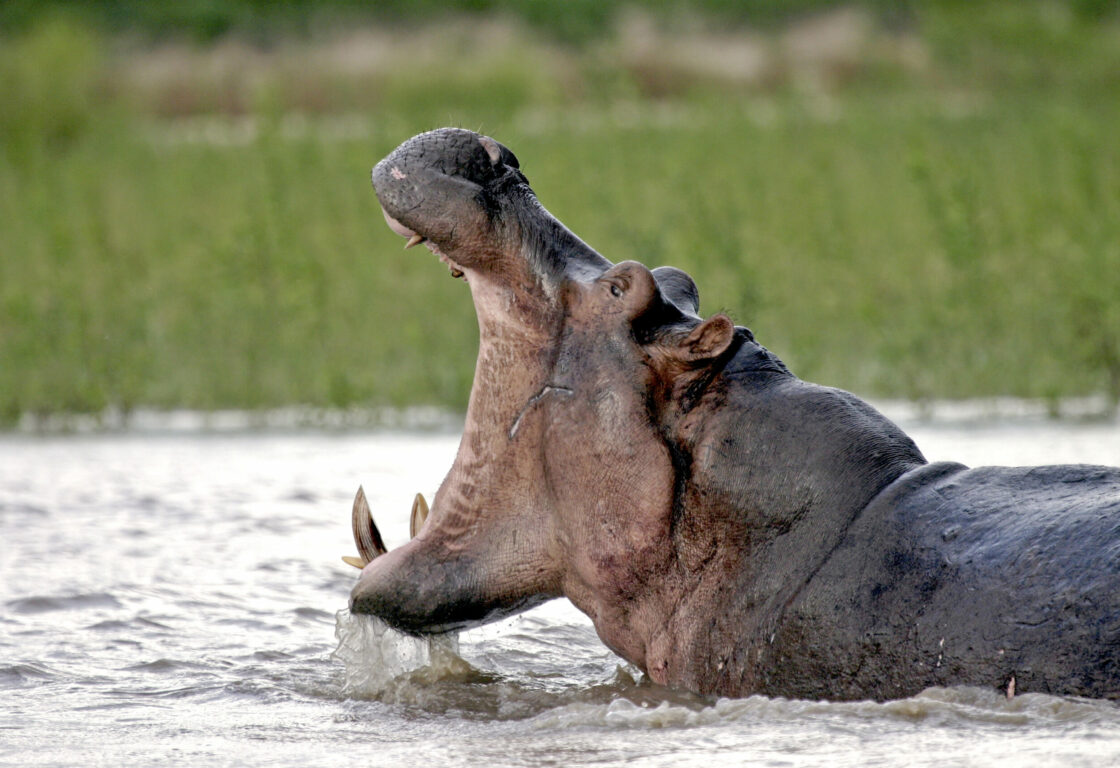
Elephant gather beside the Rufiji River, hippos drift through quiet waterways and giraffe cross open plains stretching far beyond the horizon. Days move between game drives, sunset boat safaris and long evenings spent immersed in the sounds of the bush, while changing river levels and shifting wildlife movements give the park a constantly evolving feel throughout the year.
Wild, varied and deeply atmospheric, Nyerere safari holidays are ideal for anyone looking for a slower and more immersive side of Tanzania safari.
A team of real experts, brilliant at designing bespoke holidays.
Call 01273 923100 to start planning your Tanzania holiday today.


Nyerere Highlights


Nyerere (Selous): A different side of Tanzania safari
Nyerere feels very different from Tanzania’s northern safari circuit. Wildlife is spread across a huge landscape shaped by rivers, wetlands and seasonal floodplains rather than one concentrated safari area. Safaris here often feel more fluid, with wildlife sightings unfolding naturally as you move between lakes, river channels and open bushland.
Game drives regularly include giraffe, zebra, elephant, buffalo and greater kudu, while the waterways bring a very different atmosphere to safari compared to destinations such as the Serengeti or Ruaha. Boat safaris become part of the rhythm of the day itself, particularly in the cooler evening hours when crocodiles rest on sandbanks and hippos begin emerging from deeper water.
Although Nyerere has become popular in recent years, particularly with fly-in safari holidays from Zanzibar, it still feels calmer and definitely less vehicle-heavy than some of the busier national parks in the north.


The Selous and Nyerere story
Many travellers searching for Selous safari holidays are often surprised to discover the park is now officially called Nyerere National Park.
Historically, the entire region formed part of the vast Selous Game Reserve, one of Africa’s largest protected wilderness areas. In 2019, the Tanzanian government created Nyerere National Park from the northern photographic tourism section of Selous, placing it under the management of TANAPA, Tanzania National Parks Authority. The park was named after Julius Nyerere, Tanzania’s first president and one of the country’s most respected historical figures.
Today, most safari lodges, camps and tourism experiences visited by travellers are located within Nyerere National Park. However, the name “Selous” is still widely used across safari guides, camps and itineraries, which is why both names continue to appear throughout Tanzania travel planning.


Wildlife in Nyerere National Park (Selous)
Nyerere supports an impressive variety of wildlife across its changing habitats. Elephant populations remain strong throughout the park, while buffalo, giraffe, zebra, hippo and crocodile are regularly seen across both open plains and river systems.
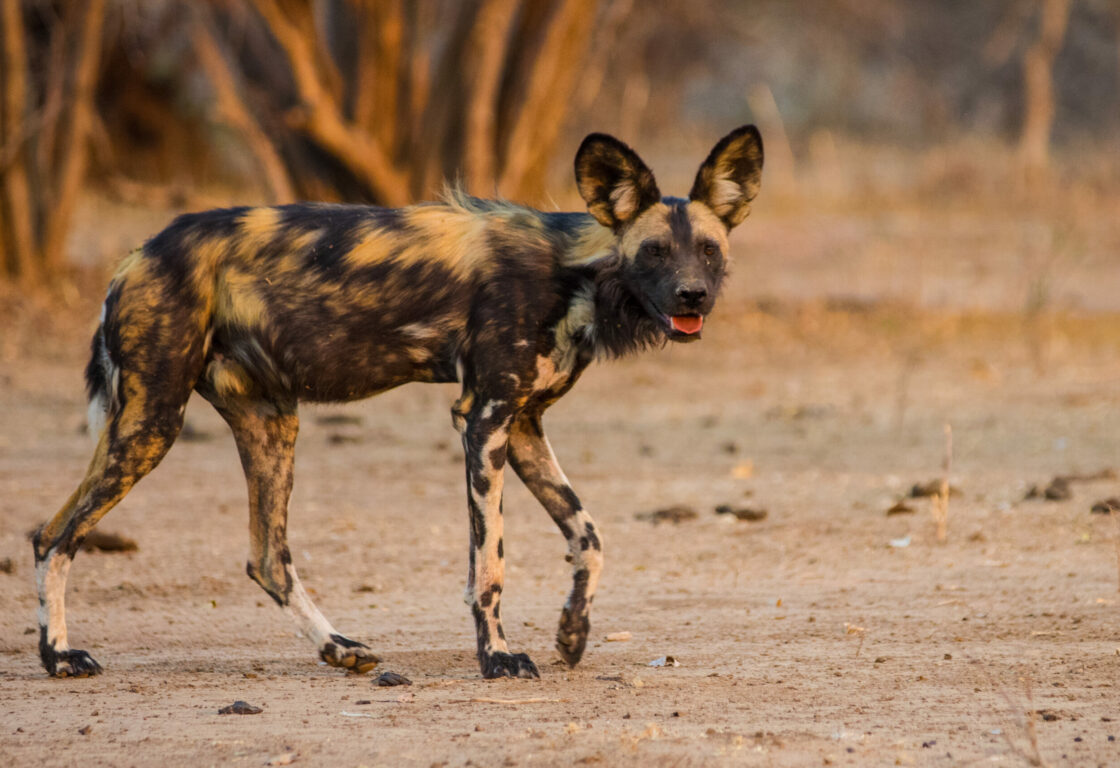
Predators include lion, leopard, hyena and African wild dog, with Nyerere considered one of Tanzania’s important strongholds for wild dog populations.
Birdlife is also exceptional, particularly around the Rufiji River and surrounding wetlands where fish eagles, kingfishers, bee-eaters, storks and herons are commonly spotted throughout much of the year.


Safari beyond the game drive
Nyerere offers one of Tanzania’s most diverse safari experiences, where river-based activities, walking safaris and remote wilderness adventures are central to exploring the park.
Boat safaris along the Rufiji River and its network of channels, lakes and lagoons are a highlight of many stays. Wildlife regularly gathers along the water’s edge, with sightings of elephant, buffalo, crocodile, hippo and abundant birdlife often accompanied by spectacular afternoon light across the riverbanks. Several camps also offer catch-and-release fishing on selected stretches of the Rufiji River.
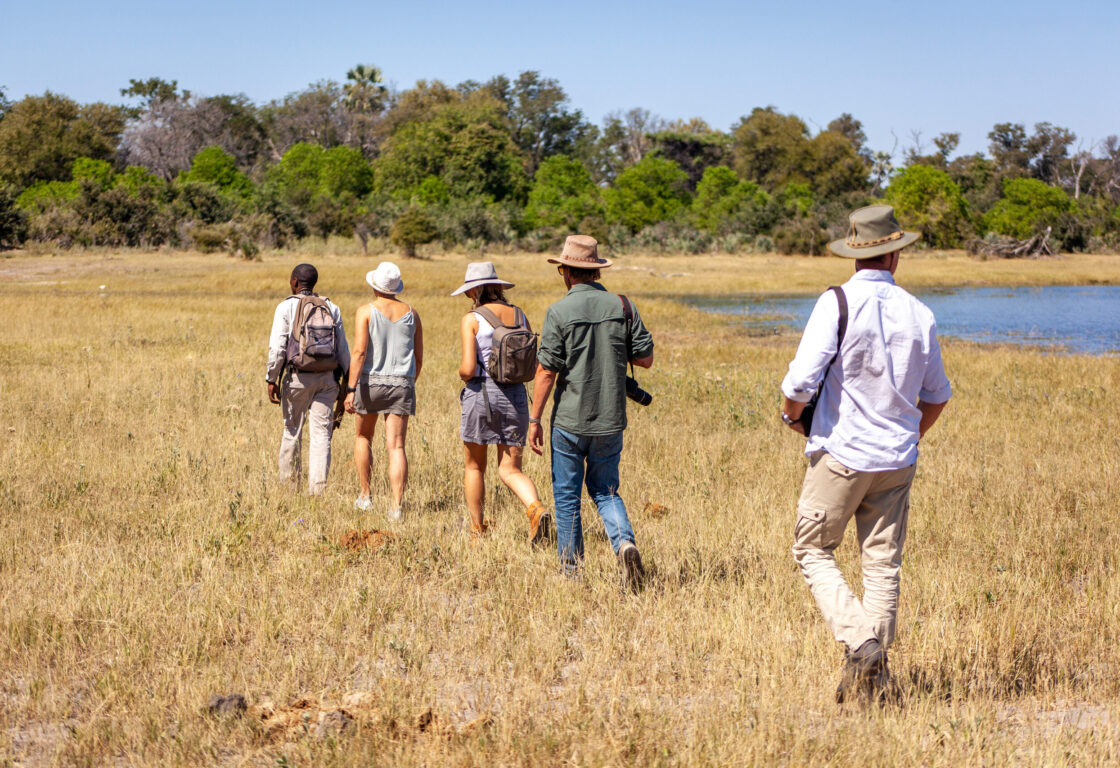
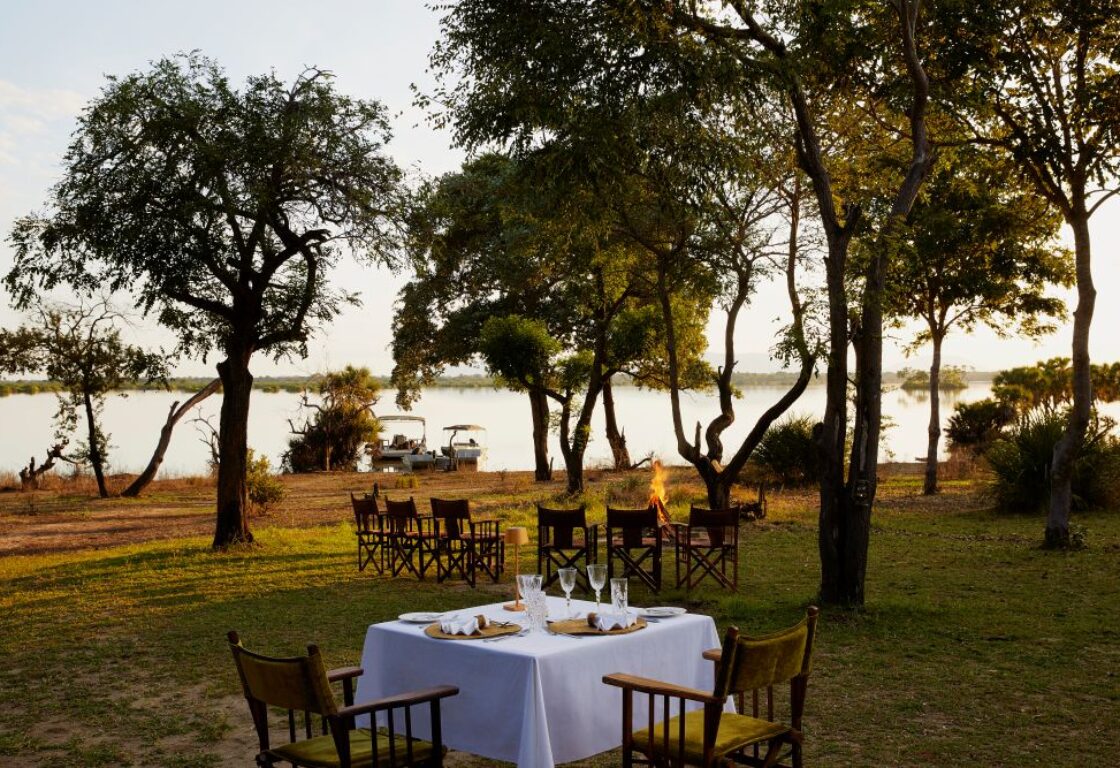
Walking safaris are an important part of the Nyerere experience. Led by experienced armed guides, walks focus on tracks, birdlife, smaller species and understanding the wider ecosystem from ground level. For those seeking a deeper connection with the wilderness, some camps offer fly camping, spending a night under canvas in remote areas of the park, as well as bush meals and riverside sundowners in secluded locations.


Safari lodges and camps in Nyerere
Accommodation in Nyerere ranges from luxury river lodges and stylish tented camps to smaller bush camps positioned along lakes, wetlands and the Rufiji River system. Compared to Ruaha, the park offers a broader choice of safari lodges due to both its size and growing popularity within Southern Tanzania safari holidays.
Many camps are designed to blend naturally into the surrounding landscape, with open-fronted suites, outdoor lounges and river-facing decks that make the environment feel closely connected to the overall safari experience. Wildlife regularly moves through or close to camp, particularly in the evenings when hippos leave the water and nocturnal activity increases around the riverbanks.
Some safari lodges focus on comfort and larger shared spaces, while others offer a more intimate and remote tented camp atmosphere. Choosing the right camp location can make a significant difference depending on whether you prioritise boating safaris, walking safaris, birdlife or traditional game viewing.


How long to stay in Nyerere (Selous)
A minimum of three nights is usually recommended in Nyerere National Park, allowing enough time to combine game drives, boat safaris and slower moments enjoying camp life beside the river.
Four or more nights work particularly well for those wanting a slower safari rhythm or including walking safaris and fly camping experiences within their itinerary.
Nyerere also combines particularly well with Zanzibar due to relatively straightforward flight connections, making it one of Tanzania’s most popular safari and beach combinations. Some travellers also combine Nyerere with Ruaha National Park for a broader Southern Tanzania safari experience focused on wilderness and remote safari camps.


Getting to Nyerere National Park (Selous)
You can reach Nyerere by light aircraft from Dar es Salaam or Zanzibar, with flights usually taking around one hour depending on the location of the safari camp. Several airstrips serve the northern safari sector, including Mtemere, with many lodges arranging direct transfers from the airstrip to camp.
Nyerere can also be reached by road from Dar es Salaam, although journeys are considerably longer and road conditions vary depending on season and rainfall. Driving times are typically between four and six hours to the northern tourism areas.


Best time to visit Nyerere National Park (Selous)
June to October is usually considered the best period for wildlife viewing in Nyerere National Park, when drier conditions bring animals closer to permanent water sources and vegetation becomes thinner across the bush.
October is usually the driest month, often bringing excellent wildlife viewing conditions, although boating safaris can occasionally become more limited as water levels drop in some channels and lakes.
The rains gradually arrive across Southern Tanzania between November and May, transforming the landscape and dispersing wildlife away from permanent water sources. Birdlife becomes particularly rewarding during this period, while the scenery feels greener and less dusty than during the dry season.
Heavy rains between April and May can significantly affect river levels and road access, and many safari lodges close during this period.


Talk to us about your perfect trip to Tanzania
Call 01273 923100 to start planning your Tanzania Holiday today.
Our top inspirational Tanzania holiday ideas


Northern Tanzania Safari and Beach
Elephants in the dust, lions in the long grass, and toes in the sand.


Classic Selous and Zanzibar Honeymoon
Embark on a once-in-a-lifetime honeymoon blending thrilling safaris, rich cultural wonders, and serene beach days on the enchanting shores of Zanzibar!


Tanzania Safari Highlights
Track wildlife across the Serengeti, meet the Maasai and end your safari beside the wild beaches of Saadani Coast.


Southern Tanzania Safari & Mafia Island
Discover the wild beauty of Tanzania, from exhilarating safaris to serene beaches on Mafia Island!


Crater, Serengeti & Islands Honeymoon
A fantastic bush & beach combo with an authentic under canvas safari and laid-back beach lodge.


Selous and Zanzibar SPECIAL OFFER
Free nights & 25% off safari. A boutique safari bush & beach holiday where wild adventure meets barefoot bliss, offering incredible value.


Simply Selous and Zanzibar
Embark on an authentic wildlife-packed safari in the Selous Game Reserve and discover the vibrant culture and pristine beaches of Zanzibar!


Northern Tanzania Safari and Zanzibar
The perfect mix of incredible landscapes, wildlife, culture and beach!


It's about you
We create exceptional holidays, unique to you, managed in a way that makes everything easy for you, with the aim of surpassing your expectations every step of the way.


Real travel experts
Our travel expertise ensures authentic experiences, fantastic boutique hotels and outstanding guides that help create unforgettable holiday moments.
Peace of mind
- Unbeatable prices
- Our price promise
- A focus on owner-run properties
- Ideas & advice from true specialists
- Wonderful guides to steer the way
- 24-hour emergency support
- Financial protection from ATOL
- Superb sundowner ideas!