


WELCOME TO
Serengeti Holidays
Witness nature's grandest spectacle on the Serengeti, a timeless expanse teeming with wildlife and breathtaking savannahs.
Tailor-made holidays with a focus on hand picked boutique hotels and luxury hideaways
Let's plan your perfect tripSerengeti - a safari icon like no other
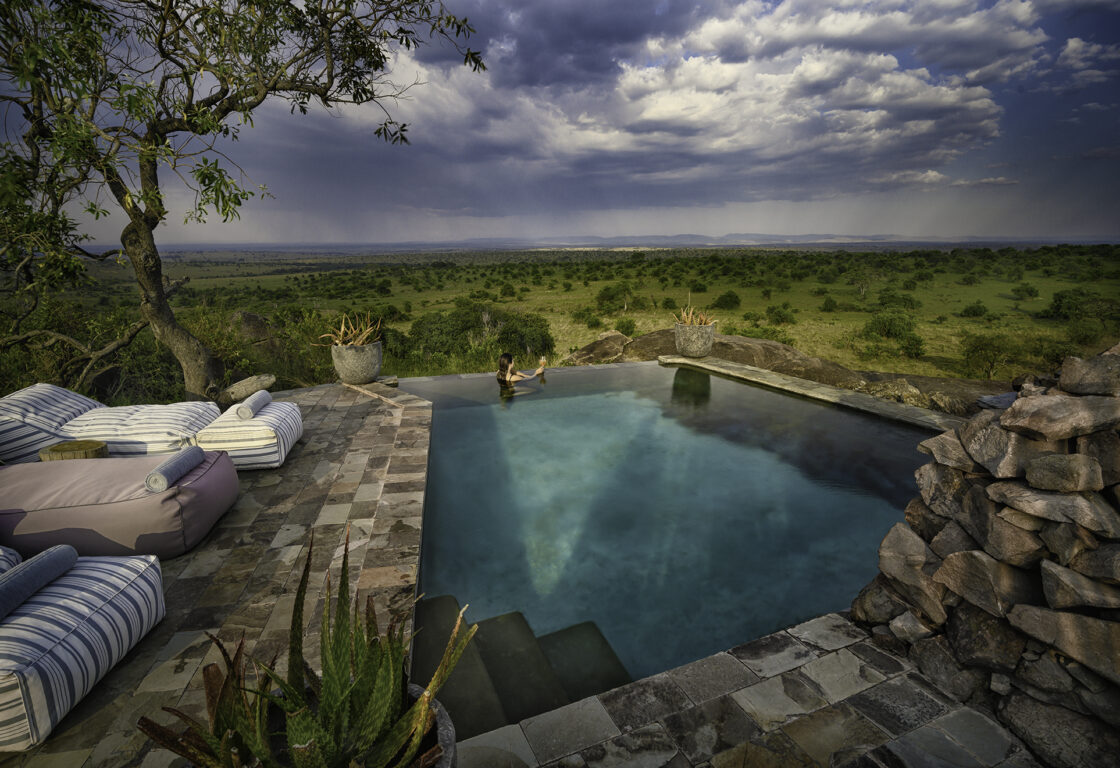
Serengeti National Park is one of Tanzania’s most iconic safari destinations and a UNESCO World Heritage Site, known for its vast open plains, exceptional wildlife viewing and the seasonal movement of the Great Migration. The scale of the Serengeti is difficult to fully appreciate until you are there, watching storms roll across the horizon while wildlife stretches far into the distance.
While the migration is often the main reason travellers first look at Tanzania safari holidays, the Serengeti offers rewarding game viewing throughout the year. Lion, elephant, giraffe, buffalo, leopard and cheetah can all be seen across different regions of the park, with each area offering a slightly different atmosphere depending on the season and wildlife movement.
Add to this the Serengeti’s luxurious lodges and tented camps, and you have a safari experience that combines exceptional wildlife viewing with comfort, atmosphere and some of Tanzania’s most dramatic landscapes.
The Serengeti works well for first-time safari travellers, families, honeymooners and those returning to Tanzania for a deeper safari experience.
A team of real experts, brilliant at designing bespoke holidays.
Call 01273 923100 to start planning your Tanzania holiday today.


Serengeti Highlights




What makes the Serengeti special
The Serengeti is not just about one wildlife event. Its appeal lies in the scale of the landscape and the sense of constant movement. Herds appear as dark lines across distant plains, lions rest around rocky kopjes, and game drives can shift from quiet observation to sudden predator activity within minutes.
Early mornings often begin before sunrise, with cold air moving through open safari vehicles as the landscape slowly brightens. By midday, predators retreat towards kopjes and shaded areas while heat and dust settle across the plains. In migration season, it is not unusual to hear wildebeest moving near camp overnight, particularly in mobile camps positioned close to the herds.
This is one of the best places in Tanzania for a first safari because wildlife is generally visible and varied. The open terrain makes sightings easier to follow, while long horizon lines, scattered acacia trees and constantly changing wildlife movement give the Serengeti a strong sense of scale throughout the day. It can feel busier in well-known areas during peak migration periods, but the size of the park means quieter experiences are still possible with the right camp and itinerary.


The different regions of the Serengeti
Central Serengeti, particularly around Seronera, is one of Tanzania’s best year-round safari areas thanks to its strong resident wildlife and reliable predator sightings. The southern plains and Ndutu region are most active between December and March during calving season, when large migration herds gather across open grasslands. Northern Serengeti is best known for Mara River crossings between roughly July and October, while the western corridor offers a quieter and more seasonal safari experience shaped by river systems and migration routes.
The wider region bordering the Serengeti also includes the Ngorongoro Conservation Area, where Maasai communities continue to live alongside wildlife and where sites such as Olduvai Gorge provide insight into some of East Africa’s most important archaeological history. Travelling through this region also offers opportunities to better understand Maasai culture and the long-standing relationship between local communities, livestock and wildlife.


Wildlife and the Great Migration
The Serengeti supports one of the highest concentrations of wildlife in Africa. While the Great Migration is the headline attraction, resident wildlife means safari experiences remain strong throughout the year.
The migration follows a broad seasonal pattern rather than a fixed route. Rainfall determines where the herds move, so timings vary slightly year to year. Between December and March, the herds are usually in the south for calving season. From around June onwards, they begin moving west and north, with northern river crossings most often associated with July to October.
River crossings are never guaranteed. Some travellers may witness dramatic crossings, while others may spend time watching herds gather and move away again. This unpredictability is part of what makes the migration feel natural rather than staged.
Outside the migration, the Serengeti still offers excellent wildlife viewing. Lion, cheetah, leopard, elephant, buffalo, giraffe, hippo, hyena and a wide range of plains game are found across the ecosystem. Birdlife is also particularly strong during the greener months when migratory species arrive.


Safari lodges and migration camps in Serengeti National Park
The Serengeti has one of the widest choices of safari lodges in Tanzania. Permanent safari lodges are often found in areas with strong year-round wildlife and usually offer more established facilities such as swimming pools, larger rooms and family-friendly layouts.
Tented camps create a more intimate safari atmosphere, often with fewer guests and a closer connection to the surrounding bush. Mobile migration camps move seasonally through the Serengeti to follow the herds, operating in different regions depending on the time of year.
Choosing where to stay is just as important as choosing when to travel. A well-positioned camp can reduce driving time, improve access to wildlife and create a more immersive safari experience.


Safari activities in Serengeti National Park
Game drives are the main focus of a Serengeti safari, usually taking place in the early morning and late afternoon when wildlife is most active. Although distances between camps can appear long on paper, many transfers naturally become part of the safari experience itself, passing through wildlife areas, local villages and Maasai communities along the way.
Hot air balloon safaris are one of the Serengeti’s most memorable experiences, offering wide views across the plains at sunrise before finishing with a bush breakfast. Sundowners are also a well-loved part of safari, usually enjoyed in scenic spots as the light softens across the landscape.
Night drives and walking safaris are not widely permitted inside the national park itself, but can be offered in neighbouring private concessions and areas such as Grumeti. These activities provide a different perspective on the ecosystem, shifting the focus towards nocturnal wildlife, tracks, smaller species and the wider workings of the bush.


Families in the Serengeti
The Serengeti can work very well for families, particularly with older children who are ready for early starts and longer game drives. Central Serengeti is often a good choice because wildlife viewing is reliable and travel logistics can be more straightforward.
Family-friendly lodges may offer larger tents or interconnected rooms, flexible meal times and private vehicle options. Having a private vehicle can make a significant difference for families, allowing more flexibility throughout the day.
For younger children, it is important to consider drive times, internal flights and the pace of safari days. Choosing the right lodge and guide is key to creating a safari experience that feels enjoyable rather than exhausting.


How long to stay in the Serengeti
If you are visiting the Serengeti as a standalone safari destination, a minimum of three or four nights is recommended to properly experience the park and enjoy multiple game drives across different areas.
If the Serengeti forms part of a wider Northern Tanzania safari including Ngorongoro Crater and Tarangire, shorter stays can still work well depending on the overall pace of the itinerary. Combining different regions of the Serengeti within one trip can also create more variation in both scenery and wildlife viewing.


Maasai culture and life around the Serengeti
Travelling through the Serengeti ecosystem is not only about wildlife. Across Northern Tanzania, Maasai communities remain closely connected to the landscape, and their presence forms part of the atmosphere of the region itself. Long before reaching the national park gates, journeys often pass Maasai villages, cattle moving across open plains and herders walking through volcanic highlands wrapped in traditional red shukas.
The relationship between wildlife, land and pastoral life is especially visible around the Ngorongoro Conservation Area bordering the Serengeti, where Maasai communities continue to graze cattle alongside wild animals across shared landscapes. Seeing giraffes or zebra in the distance while Maasai herders move livestock across the plains gives this part of Tanzania a very different feel from many other safari destinations in Africa.
When approached respectfully, cultural visits can also provide a deeper understanding of Maasai traditions, community life and the long-standing connection between people and the wider Serengeti ecosystem.


When to visit Serengeti National Park
The Serengeti is a year-round safari destination, but different seasons shape very different experiences across the park.
December to March is best for the southern plains and calving season, when large migration herds gather across open grasslands and predator activity increases.
April and May are often described as the rainy season, though rain frequently arrives in shorter showers rather than lasting all day. The landscape becomes greener, visitor numbers drop and wildlife viewing can still be excellent, including opportunities to see the migration depending on rainfall and herd movement.
This quieter shoulder season can feel especially rewarding, with fewer vehicles around sightings, greener scenery and less dust across the plains. Lodge availability is often better and rates can also be more favourable compared to peak migration months.
June to October is the main dry season, bringing thinner vegetation, strong general wildlife viewing and the best chance of northern river crossings later in the season.
Rather than one perfect month, the Serengeti is about matching the right region, camp and season to the type of safari experience you want.


Talk to us about your perfect trip to Tanzania
Call 01273 923100 to start planning your Tanzania Holiday today.
Our top inspirational Tanzania holiday ideas


Tanzania Safari Highlights
Track wildlife across the Serengeti, meet the Maasai and end your safari beside the wild beaches of Saadani Coast.


Classic Selous and Zanzibar Honeymoon
Embark on a once-in-a-lifetime honeymoon blending thrilling safaris, rich cultural wonders, and serene beach days on the enchanting shores of Zanzibar!


Northern Tanzania Safari and Zanzibar
The perfect mix of incredible landscapes, wildlife, culture and beach!


Selous and Zanzibar SPECIAL OFFER
Free nights & 25% off safari. A boutique safari bush & beach holiday where wild adventure meets barefoot bliss, offering incredible value.


Simply Selous and Zanzibar
Embark on an authentic wildlife-packed safari in the Selous Game Reserve and discover the vibrant culture and pristine beaches of Zanzibar!


Southern Tanzania Safari & Mafia Island
Discover the wild beauty of Tanzania, from exhilarating safaris to serene beaches on Mafia Island!


Crater, Serengeti & Islands Honeymoon
A fantastic bush & beach combo with an authentic under canvas safari and laid-back beach lodge.


Northern Tanzania Safari and Beach
Elephants in the dust, lions in the long grass, and toes in the sand.


Talk to us about your perfect trip to Tanzania
Call 01273 923100 to start planning your Tanzania holiday today.
Let's plan your perfect trip


It's about you
We create exceptional holidays, unique to you, managed in a way that makes everything easy for you, with the aim of surpassing your expectations every step of the way.


Real travel experts
Our travel expertise ensures authentic experiences, fantastic boutique hotels and outstanding guides that help create unforgettable holiday moments.
Peace of mind
- Unbeatable prices
- Our price promise
- A focus on owner-run properties
- Ideas & advice from true specialists
- Wonderful guides to steer the way
- 24-hour emergency support
- Financial protection from ATOL
- Superb sundowner ideas!