


WELCOME TO
Machu Picchu and the Sacred Valley
Discover the mystical allure of Machu Picchu and the Sacred Valley, home to ancient ruins, lush landscapes, and vibrant Incan culture.
Tailor-made holidays with a focus on hand picked boutique hotels and luxury hideaways
Let's plan your perfect tripMachu Picchu and the Sacred Valley Travel Guide
Machu Picchu and the Sacred Valley are iconic symbols of Peru’s rich cultural heritage, offering a unique blend of history, adventure, and natural beauty. Perched high in the Andes, the Sacred Valley is dotted with ancient ruins, colourful markets, and vibrant villages that allow a glimpse into the lives of the indigenous Quechua people. Machu Picchu, the ancient Inca citadel, remains one of the most awe-inspiring archaeological sites in the world, with its intricate stone structures set against a backdrop of mist-covered mountains. Exploring the Sacred Valley and the famous Inca Trail to Machu Picchu provides a truly unforgettable experience that combines hiking, history, and unparalleled views of one of the New Seven Wonders of the World.
A team of real experts, brilliant at designing bespoke holidays.
Call 01273 923100 to start planning your Peru holiday today.


Machu Picchu & the Sacred Valley Highlights



Machu Picchu
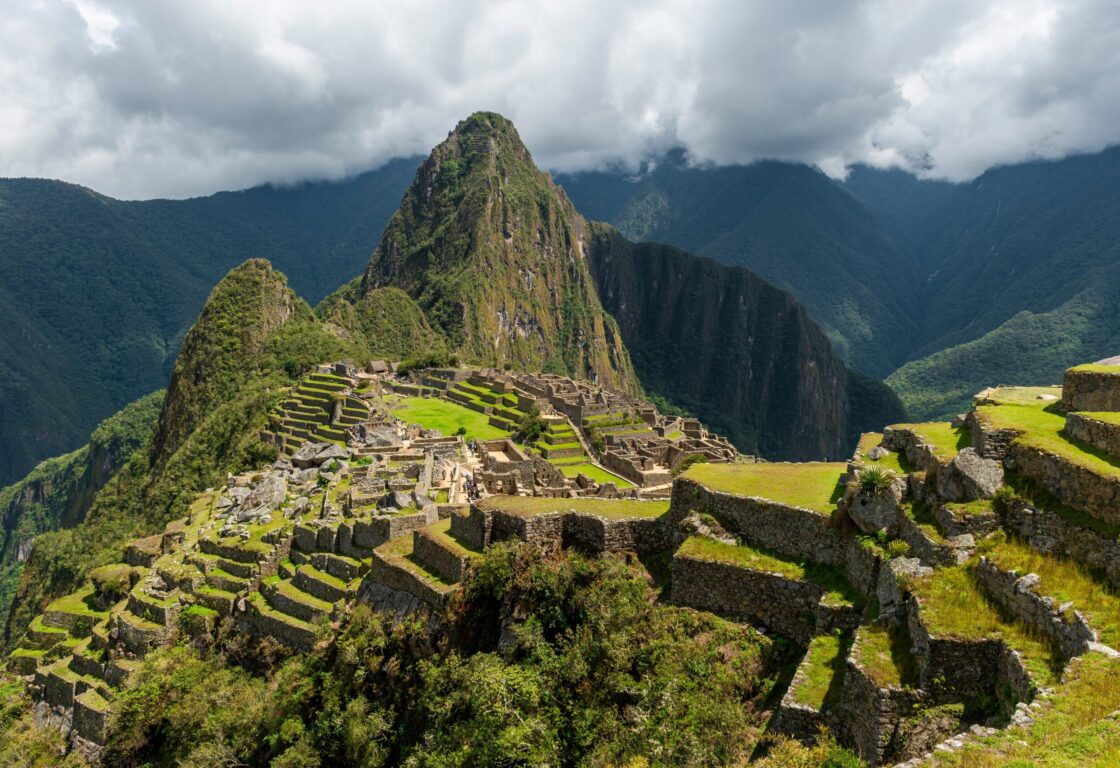
No Peru holiday feels complete without time at Machu Picchu, a UNESCO World Heritage Site and one of the most remarkable achievements of the Inca civilisation. Built in the 15th century and hidden from the Spanish conquistadors, the citadel remained unknown to the outside world until 1911.
Perched high above the Urubamba River, Machu Picchu is widely believed to have been a royal estate and ceremonial centre rather than a conventional city. As you walk through its terraces, temples, and plazas, you see the precision of Inca stonework and the deep connection between architecture, astronomy, and landscape. The Intihuatana stone, often referred to as the sun dial, highlights the spiritual and astronomical sophistication of the site.
You can explore Machu Picchu on a guided tour, which provides valuable context about its layout and purpose. Circuits now regulate visitor flow, so planning entry times and routes in advance is essential. Seeing the site in early morning light, when mist lifts from the valley, adds to the atmosphere and scale of the setting.


The Sacred Valley
Stretching between the towns of Ollantaytambo and Pisac, the Sacred Valley formed the agricultural heart of the Inca Empire. Its fertile lands, milder climate, and access to trade routes made it essential to the survival of Cusco.
Today, you can explore a mix of ancient ruins, traditional farming communities, and dramatic Andean scenery. The valley also sits at a lower altitude than Cusco, making it an ideal place to acclimatise before visiting Machu Picchu.
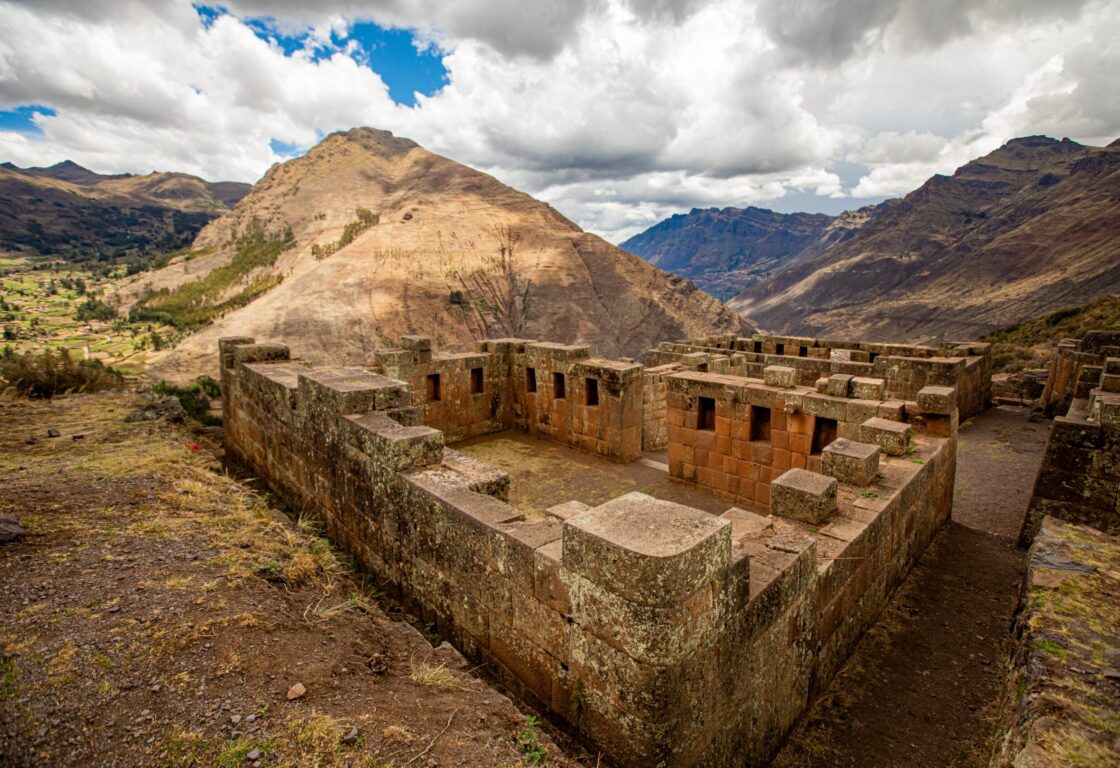
At Ollantaytambo, often described as a living Inca town, you can climb vast stone terraces that once formed part of a fortress complex. The narrow cobbled streets below still follow their original Inca layout. In Pisac, hillside agricultural terraces rise above the town, while the ruins include temples and ceremonial structures with sweeping valley views.


Pisac Market & Local Culture
Pisac’s market remains one of the most colourful in the region. While stalls operate daily, Sundays are traditionally the busiest. You will find handwoven textiles, alpaca garments, ceramics, and silver jewellery alongside fresh produce from surrounding communities.
Above the town, the Pisac ruins extend across a mountain ridge. You can explore terraces, temples, and ceremonial spaces while enjoying panoramic views. Visiting both the market and ruins provides cultural and archaeological insight in one day.


The Inca Trail
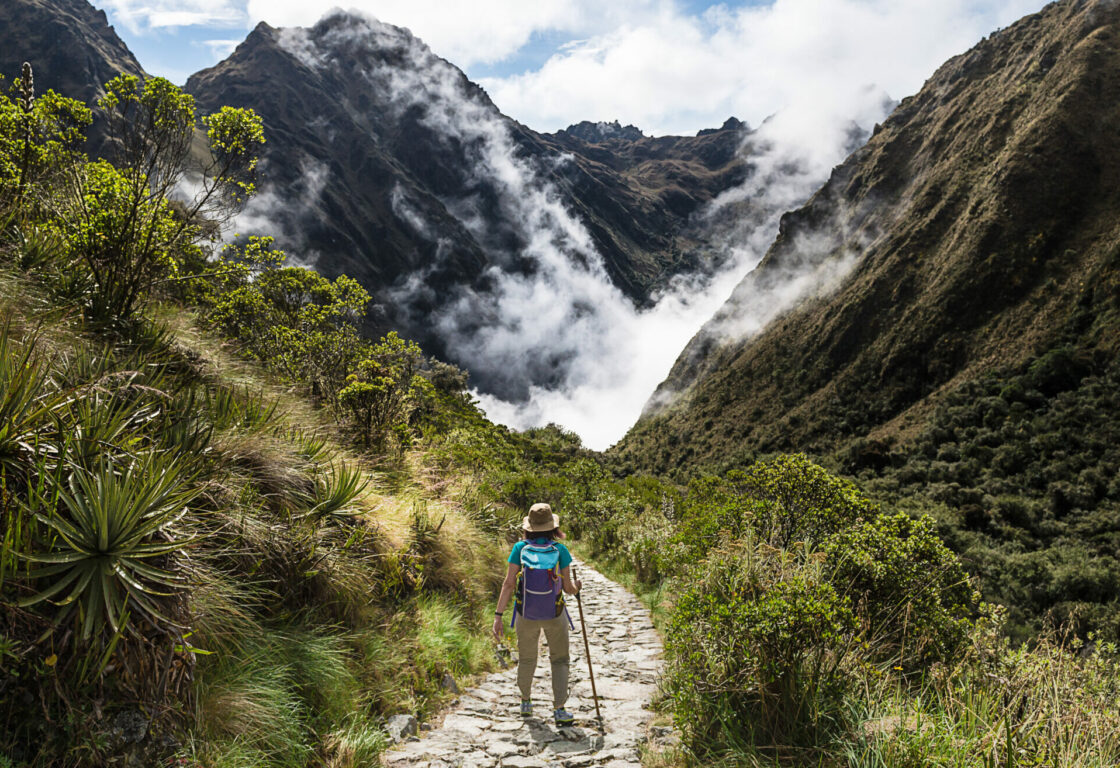
For those who want to reach Machu Picchu on foot, the Inca Trail follows original stone pathways laid by the Incas. This regulated four-day trek passes through cloud forest, high mountain passes, and lesser-known archaeological sites before reaching the Sun Gate at sunrise.
Along the route, you cross Dead Woman’s Pass at over 4,000 metres. You then descend into warmer cloud forest before reaching Wiñay Wayna. Permits are strictly limited and must be secured well in advance.
A moderate level of fitness is required, and acclimatisation is important. However, arriving on foot adds context and anticipation that a train journey cannot replicate.
If four days feels too demanding, a one-day Inca Trail option covers the final stretch. Alternative treks such as Salkantay range from two to five days and offer varied landscapes.


Ollantaytambo Ruins
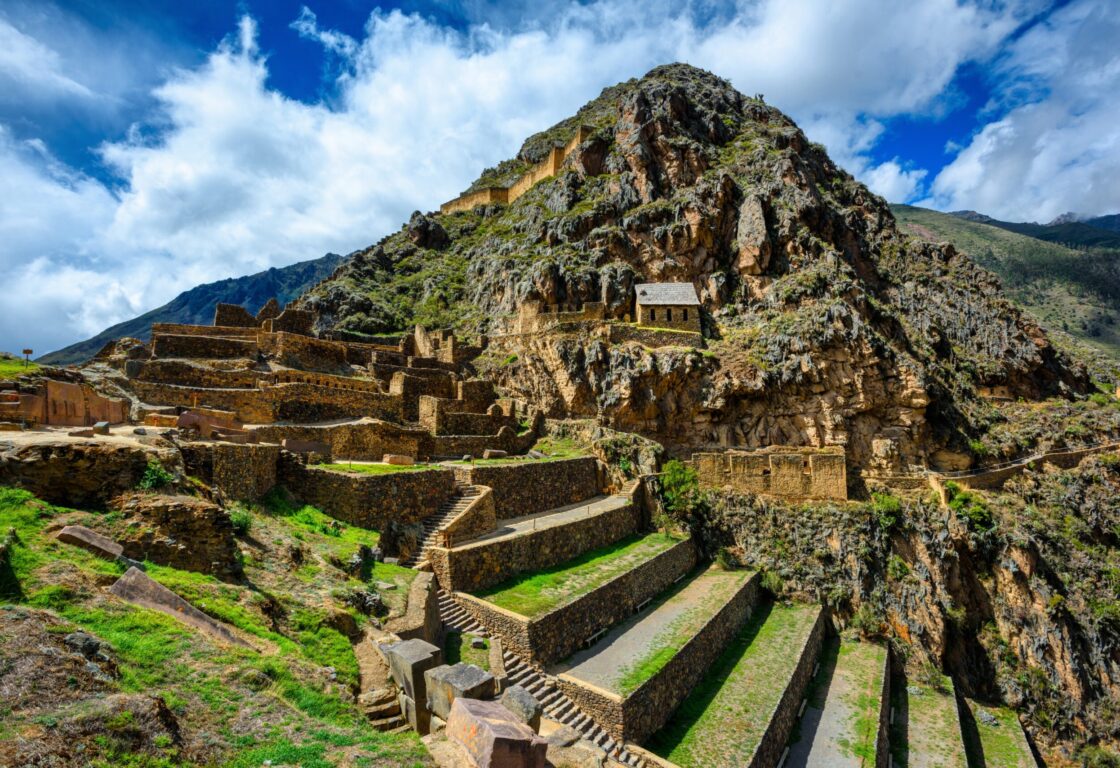
Ollantaytambo is one of the most impressive and intact Inca sites in Peru. Often described as a “living Inca town,” its original street grid and water channels remain in use today.
Above the village, the fortress terraces climb steeply up the hillside. These terraces served both defensive and ceremonial purposes. The Temple of the Sun at the top contains enormous stone blocks, some weighing over 50 tonnes, transported from quarries across the valley.
You can climb the terraces for wide views over the town and river below. The site offers a strong sense of scale and strategic planning. Because Ollantaytambo also serves as the main train station for Machu Picchu departures, many itineraries include an overnight stay here, which allows time to explore without rushing.


Things to Do in the Sacred Valley
Beyond headline ruins, the Sacred Valley offers a wide range of experiences. You can visit the circular agricultural terraces of Moray, which were likely used for crop experimentation. The nearby Maras salt pans remain in use today, with hundreds of small pools carved into the hillside.
Cycling routes follow quieter valley roads, while horse riding and gentle hiking provide different perspectives. Cooking classes introduce Andean ingredients such as quinoa and native potatoes. Visits to rural communities allow you to learn about weaving, farming, and daily life at altitude.
These experiences create balance between major archaeological sites and everyday culture.


Getting There
Most journeys begin in Cusco, the historic capital of the Inca Empire. From here, you can reach the Sacred Valley by road in around one to two hours, depending on location. Many choose to transfer directly into the valley first to acclimatise before moving higher.
To reach Machu Picchu, trains operate from Cusco or from Ollantaytambo to Aguas Calientes. Services such as PeruRail and Inca Rail run multiple daily departures. The journey follows the Urubamba River through narrowing valleys, with dramatic changes in landscape as you descend into subtropical forest.
From Aguas Calientes, buses climb a winding road to the entrance gate. You can also hike this section in around 90 minutes if preferred.
Train seats, entry tickets, and trekking permits operate under strict daily limits. Booking well in advance is essential, particularly between May and September.


Best Time to Visit Machu Picchu


Know Before You Go
Altitude is the most important consideration. Cusco sits at around 3,400 metres, and some trekking routes climb higher. Spending two nights in the Sacred Valley before moving higher can help with acclimatisation. Hydration, slower pacing, and avoiding alcohol early on also support adjustment.
Permits for the Inca Trail must be booked months in advance, especially during peak season. Entry to Machu Picchu now operates on timed slots and defined circuits. Planning early ensures preferred timings.
Moderate fitness is helpful for walking tours and treks. However, you do not need to hike to experience Machu Picchu. Train access makes the site achievable for a wide range of ages and travel styles.
Weather can change quickly in the Andes. Layered clothing, sun protection, and waterproof outerwear are important year-round.
Machu Picchu and the Sacred Valley reward preparation. With thoughtful planning, you gain not only access to extraordinary landscapes, but a deeper understanding of one of the world’s most fascinating civilisations.
How long to stay:
Most itineraries allow two to three nights in the Sacred Valley and one night near Machu Picchu. This provides time to acclimatise, explore key sites, and visit Machu Picchu without rushing.


Talk to us about your perfect trip to Peru
Call 01273 923100 to start planning your Peru Holiday today.
Our top inspirational Peru holiday ideas


Luxury Incas & Amazon
Journey through Peru’s captivating culture, history, and wilderness, staying only in hand-selected 5-star boutique hotels.


Peru Family Adventure
An immersive and action-packed holiday crafted for families who love to explore – from city fountains and zip-lines to jungle trails and ancient wonders, this is Peru at its most fun and fascinating.


Boutique Peru SPECIAL
Special Offer: Experience Peru’s finest eco-luxury lodges in one seamless journey. Combine Inkaterra’s most iconic properties – from the Sacred Valley to Machu Picchu and Cusco – in one exclusive itinerary.


Inca Trail & Amazon Adventure
An unforgettable adventure through Peru's iconic landscapes, from the coast to the cloud forest, and ending in the heart of the Amazon jungle.


Peru & Galápagos
From Inca treasures to Andean vistas and Pacific archipelagos, this sweeping itinerary stitches together the best of Peru and Ecuador with a full 7-night Galápagos cruise.


Simply Peru
A journey through ancient civilisations, sacred landscapes, and handpicked hideaways.


Peru & Bolivia Explorer
Step through ancient cultures and jaw-dropping landscapes on this cross-border Andean adventure.


It's about you
We create exceptional holidays, unique to you, managed in a way that makes everything easy for you, with the aim of surpassing your expectations every step of the way.


Real travel experts
Our travel expertise ensures authentic experiences, fantastic boutique hotels and outstanding guides that help create unforgettable holiday moments.
Peace of mind
- Unbeatable prices
- Our price promise
- A focus on owner-run properties
- Ideas & advice from true specialists
- Wonderful guides to steer the way
- 24-hour emergency support
- Financial protection from ATOL
- Superb sundowner ideas!