


WELCOME TO
Inca Trail Holidays
Tailor-made holidays with a focus on hand picked boutique hotels and luxury hideaways
Let's plan your perfect tripThe Inca Trail travel guide
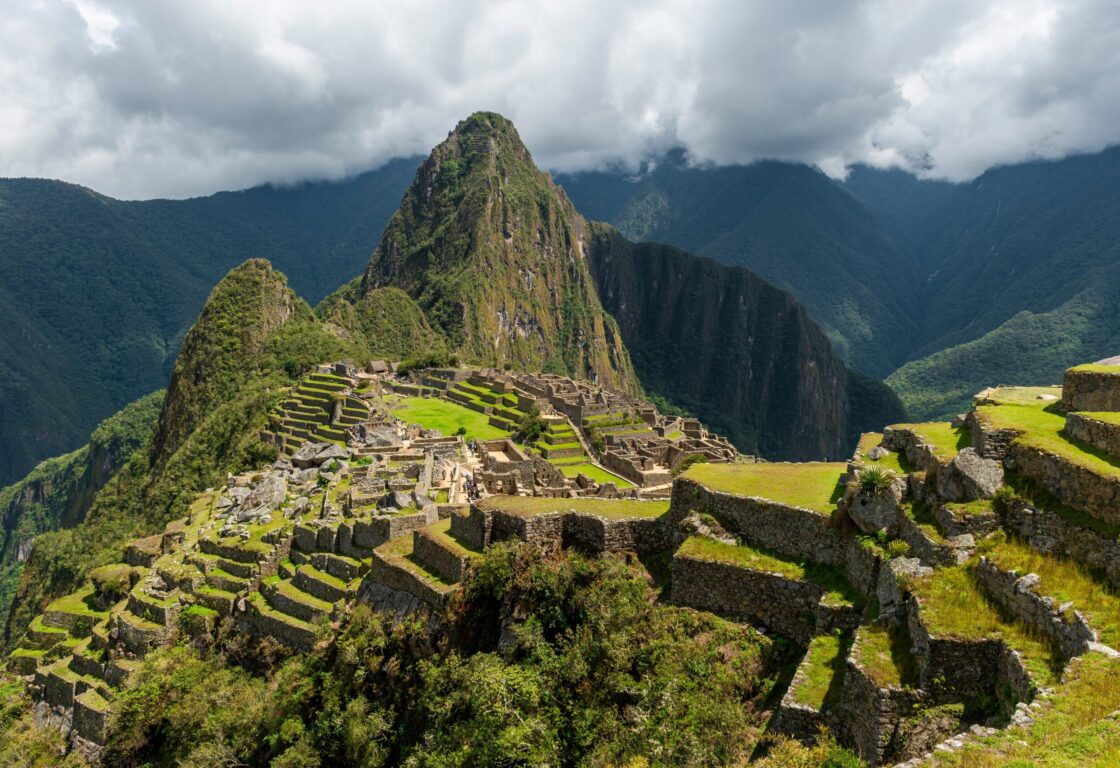
The Inca Trail in Peru is one of the world’s most celebrated treks, drawing travellers to follow the footsteps of the ancient Incas towards Machu Picchu. The multi day journey passes through dramatic Andean landscapes, cloud forest and a series of remarkable archaeological sites, revealing both the engineering skill and spiritual legacy of the Inca civilisation. Along the way, you walk original stone paths and experience the changing rhythm of the mountains before reaching the Sun Gate at sunrise. Seeing Machu Picchu appear below you is not simply impressive. It feels earned.
A team of real experts, brilliant at designing bespoke holidays.
Call 01273 923100 to start planning your Peru holiday today.


The Inca Trail Highlights


Talk to us about your perfect trip to Peru
Call 01273 923100 to start planning your Peru Holiday today.


Why Walk the Inca Trail to Machu Picchu
The Inca Trail to Machu Picchu is one of the most recognised trekking routes in South America. It forms part of a wider network of stone roads built by the Inca Empire to connect settlements, agricultural terraces and ceremonial sites across the Andes.
Over time, one particular route leading towards Machu Picchu became the most famous. Today, when travellers refer to the Inca Trail, they usually mean this regulated section that approaches the citadel on foot.
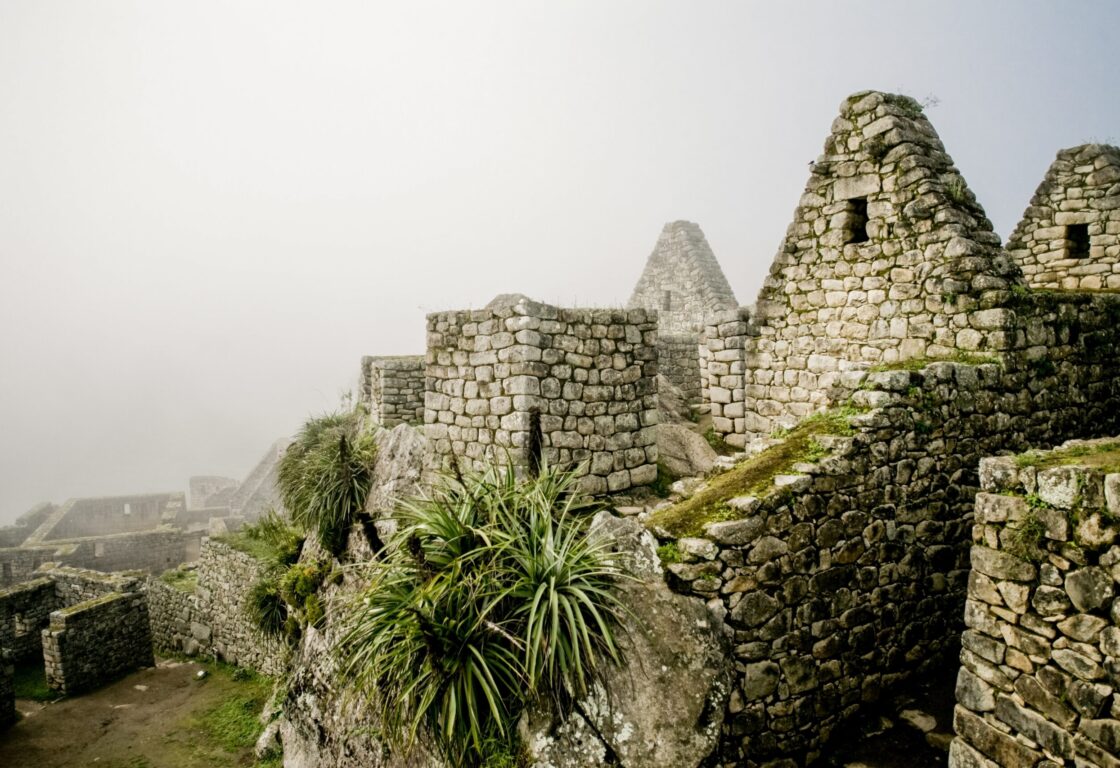
Walking the trail moves you from high mountain passes into cloud forest, passing archaeological sites such as Wiñay Wayna along the way. The journey reveals both the landscape and the engineering skill of the Inca civilisation.
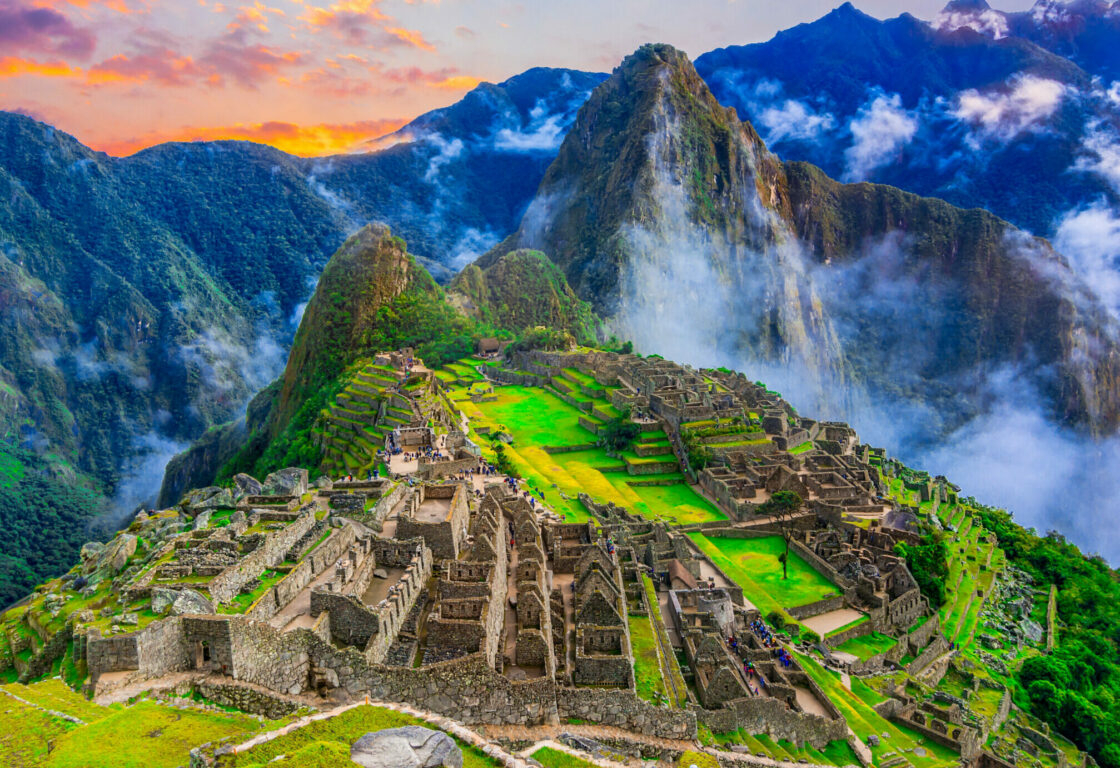
By the time Machu Picchu appears below you, the citadel feels earned rather than introduced. You do not need to complete the full four day trek to experience this approach. Many travellers choose the shorter one day option, depending on time and comfort.


Which Inca Trail Route Should You Choose
There are two main ways to walk the Inca Trail.
The four day Classic Inca Trail
The Classic route covers approximately 42 kilometres over four days. It includes several archaeological sites and crosses Dead Woman’s Pass at 4,215 metres, the highest point of the trek. Nights are spent camping along the regulated trail, supported by guides and porters.
This option suits active travellers who want a multi day trekking experience and time immersed in the Andes.
The one day Inca Trail
The shorter route begins at kilometre 104 along the railway line and follows the final section of the trail to Machu Picchu. You still visit Wiñay Wayna and enter through the Sun Gate, but without the higher passes or overnight camping.
For many travellers, this offers the right balance between meaningful walking and overall comfort.
Alternative treks
Other routes such as the Salkantay Trek and the Lares Trek provide different scenery and fewer permit restrictions. These usually finish with a train journey to Machu Picchu rather than the Sun Gate approach.


What is the 4 day Inca Trail really like
Day one begins at kilometre 82 of the railway line. The walking is steady rather than steep, allowing time to adjust while passing smaller archaeological sites before reaching camp.
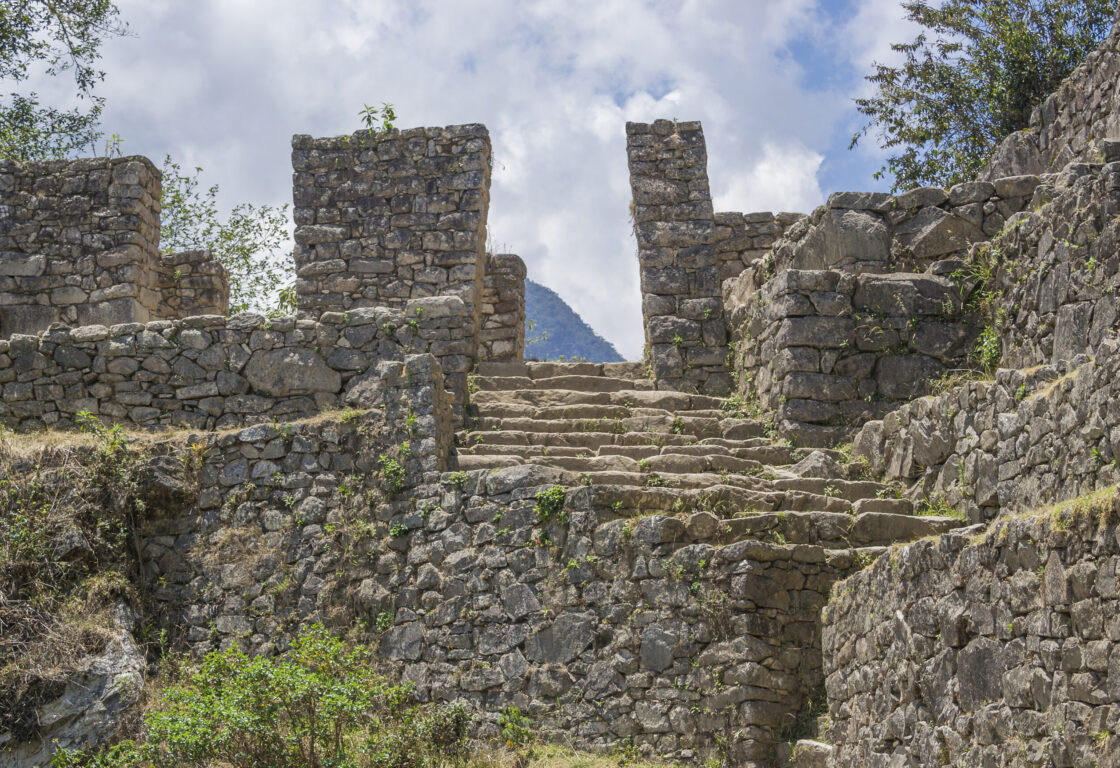
Day two is the most demanding. You climb towards Dead Woman’s Pass at 4,215 metres, the highest point of the trek. The ascent involves long stretches of stone steps and sustained elevation gain. Reaching the pass is physically challenging, but the surrounding Andean peaks make the effort worthwhile.
Day three combines mountain scenery with archaeological sites including Wiñay Wayna. The terrain undulates rather than climbs sharply, and many travellers consider this the most visually varied day.
On the final morning, you begin before sunrise to reach the Sun Gate. From here, Machu Picchu appears below before you descend into the site for a guided visit.
Most days involve six to eight hours of walking on uneven terrain. You do not need to be an experienced trekker, but preparation and realistic expectations are important.


How difficult is the Inca Trail
The Inca Trail is a moderate to challenging walk rather than a technical climb. Much of the route follows original stone steps, and ascents can be steep.
On multi day treks, porters carry camping equipment and prepare meals, allowing you to walk with a lighter daypack. Campsites are organised but simple.
Altitude is the main physical consideration. Cusco sits at around 3,400 metres above sea level, and the Classic route climbs higher to 4,215 metres. Spending two to three nights in the Sacred Valley or Cusco before beginning the trek helps your body adjust.
Staying hydrated and allowing time to acclimatise are essential.


Permits and practical planning for the Inca Trail
Access to the Inca Trail to Machu Picchu is strictly regulated. Only 500 permits are issued per day, including guides and porters, meaning the number available to visitors is limited.
Permits often sell out several months in advance, particularly between May and September. They are linked to passport details and cannot be amended once confirmed.
Most journeys begin in Lima before continuing by domestic flight to Cusco. From Cusco or the Sacred Valley, you transfer by road to the starting point of your chosen route.
After visiting Machu Picchu, you descend to Aguas Calientes and return by train to Ollantaytambo or Cusco. Train seats and Machu Picchu entry tickets also operate under daily limits, so the full sequence must be coordinated carefully.
Early booking is essential if you wish to include the Inca Trail within your Peru itinerary.


How long to stay before the Inca Trail
Most itineraries allow 5 to 7 nights in the Sacred Valley and Machu Picchu region when including the Inca Trail.
Two to three nights in the Sacred Valley or Cusco before walking are important for acclimatisation. The Sacred Valley sits at a slightly lower altitude and often feels more comfortable for the first few days. It also provides access to sites such as Ollantaytambo and Pisac, which add valuable context before the trek.
After completing the trail, allowing recovery time improves the overall experience and avoids turning the journey into a logistical exercise.


Is the Inca Trail suitable for kids
The Inca Trail can suit families with older children, depending on fitness and confidence at altitude.
The four day Classic route is generally best for teenagers who are active and prepared for several days of hiking and camping. The one day Inca Trail often works better for families, offering a rewarding walking experience without overnight trekking.
Younger children are usually better served by visiting Machu Picchu by train. The wider Sacred Valley region works well for families, balancing cultural exploration with comfort.
Choosing the right route and pacing is key.


Inca Trail vs train to Machu Picchu: which is better
You do not need to walk the Inca Trail to experience Machu Picchu. Many travellers reach the site by train from Ollantaytambo or Cusco, following the Urubamba River into Aguas Calientes before taking a short bus transfer to the entrance.
The train journey is comfortable and scenic, suitable for a wide range of ages and itinerary lengths.
Walking the Inca Trail offers something different. You approach Machu Picchu gradually, passing archaeological sites and moving through changing landscapes before seeing the citadel appear below the Sun Gate. The experience shifts from sightseeing to journey.
Neither option is objectively better. The decision depends on how you prefer to travel.


What is the best time to walk the Inca Trail
The dry season runs from May to September and offers clearer skies and more stable trail conditions. This is also the busiest period, and permits sell out earliest for these months.
April and October can provide a good balance between weather and visitor numbers. Rainfall increases between November and March, particularly in January.
The Inca Trail closes throughout February for maintenance.


Planning the Inca Trail as part of a Peru itinerary
The Inca Trail works best when planned as part of a wider Peru journey, allowing time to acclimatise in the Sacred Valley, explore Cusco and balance active days with recovery. Coordinating permits, Machu Picchu entry tickets and train timings requires careful sequencing, particularly during peak season.
When structured well, the Inca Trail becomes more than a trek. It becomes the defining chapter of a Peru holiday.


Talk to us about your perfect trip to Peru
Call 01273 923100 to start planning your Peru holiday today.
Let's plan your perfect tripOur top inspirational Peru holiday ideas


Luxury Incas & Amazon
Journey through Peru’s captivating culture, history, and wilderness, staying only in hand-selected 5-star boutique hotels.


Simply Peru
A journey through ancient civilisations, sacred landscapes, and handpicked hideaways.


Peru & Galápagos
From Inca treasures to Andean vistas and Pacific archipelagos, this sweeping itinerary stitches together the best of Peru and Ecuador with a full 7-night Galápagos cruise.


Peru & Bolivia Explorer
Step through ancient cultures and jaw-dropping landscapes on this cross-border Andean adventure.


Inca Trail & Amazon Adventure
An unforgettable adventure through Peru's iconic landscapes, from the coast to the cloud forest, and ending in the heart of the Amazon jungle.


Boutique Peru SPECIAL
Special Offer: Experience Peru’s finest eco-luxury lodges in one seamless journey. Combine Inkaterra’s most iconic properties – from the Sacred Valley to Machu Picchu and Cusco – in one exclusive itinerary.


Peru Family Adventure
An immersive and action-packed holiday crafted for families who love to explore – from city fountains and zip-lines to jungle trails and ancient wonders, this is Peru at its most fun and fascinating.


It's about you
We create exceptional holidays, unique to you, managed in a way that makes everything easy for you, with the aim of surpassing your expectations every step of the way.


Real travel experts
Our travel expertise ensures authentic experiences, fantastic boutique hotels and outstanding guides that help create unforgettable holiday moments.
Peace of mind
- Unbeatable prices
- Our price promise
- A focus on owner-run properties
- Ideas & advice from true specialists
- Wonderful guides to steer the way
- 24-hour emergency support
- Financial protection from ATOL
- Superb sundowner ideas!