


WELCOME TO
Okavango Delta Holidays
A vast wetland, the Okavango Delta offers unparalleled wildlife experiences amidst lush landscapes and serene waterways.
Tailor-made holidays with a focus on hand picked boutique hotels and luxury hideaways
Let's plan your perfect tripAn oasis of untamed beauty
The Okavango Delta in Botswana, a UNESCO World Heritage Site, is one of the most extraordinary ecosystems in the world. Spanning over 16,000 square kilometres, it transforms the arid Kalahari into a lush oasis, attracting an astonishing diversity of wildlife. Known as the “jewel of the Kalahari,” the delta’s network of channels, lagoons, and islands offers a unique safari experience that blends land and water-based adventures.
From traditional mokoro canoe safaris to guided bush walks, the Okavango Delta delivers intimate encounters with Africa’s iconic and endangered species, including cheetahs, crocodiles, rhinos, African wild dogs, and lions. Each season paints the landscape with a new palette, from the floodwaters teeming with birdlife to the drier months, which bring wildlife closer to the water’s edge.
A team of real experts, brilliant at designing bespoke holidays.
Call 01273 923100 to start planning your Botswana holiday today.


Okavango Delta


The Uniqueness of the Okavango Delta
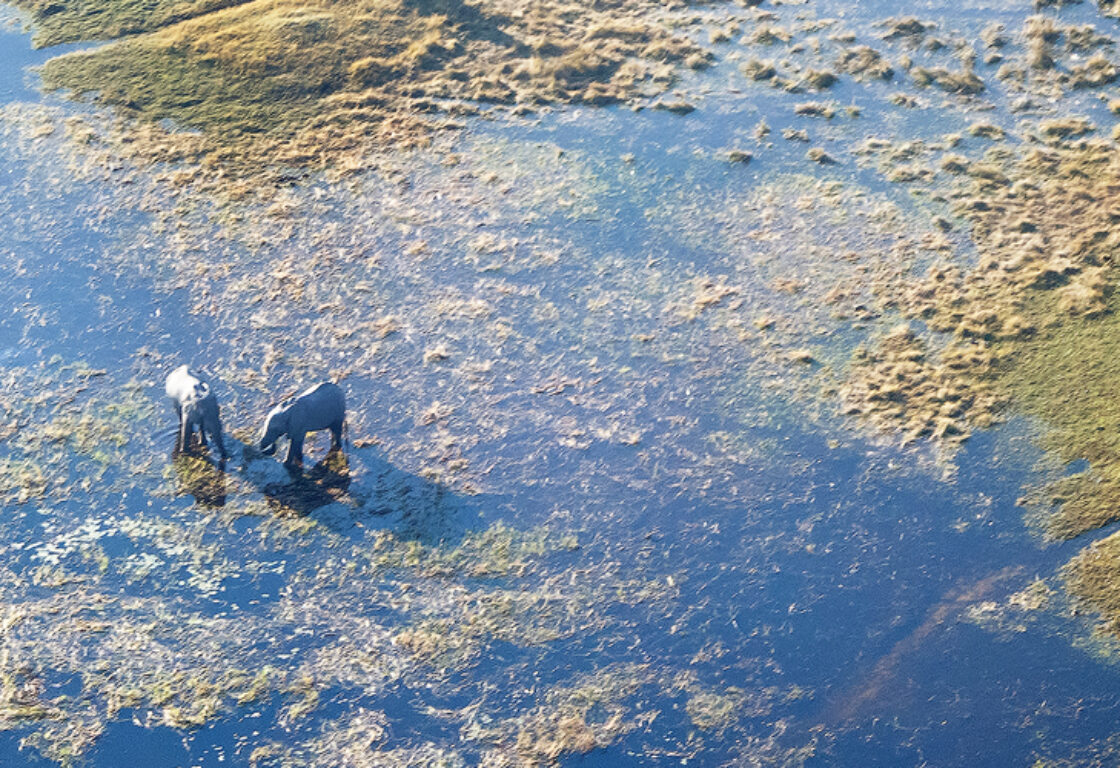
The Okavango Delta stands as the world’s largest inland delta and one of its most biodiverse ecosystems. Each year, floodwaters arrive during Botswana’s dry season, drawing wildlife into the Delta rather than pushing it away. As the water spreads, new habitats form. Islands emerge, floodplains open up, and channels expand or disappear.
Because of this cycle, wildlife behaviour changes throughout the year. Predators adjust their hunting patterns. Herbivores shift grazing areas. Meanwhile, birdlife responds quickly to rising and falling water levels. This dynamic relationship between land, water and wildlife creates an ecosystem that evolves month by month and exists nowhere else on Earth.


Wildlife in the Okavango Delta
The Okavango supports one of the highest concentrations of wildlife in southern Africa, driven by the presence of permanent water throughout the year. As floodwaters spread across the Delta, wildlife redistributes, so sightings vary by season and location.
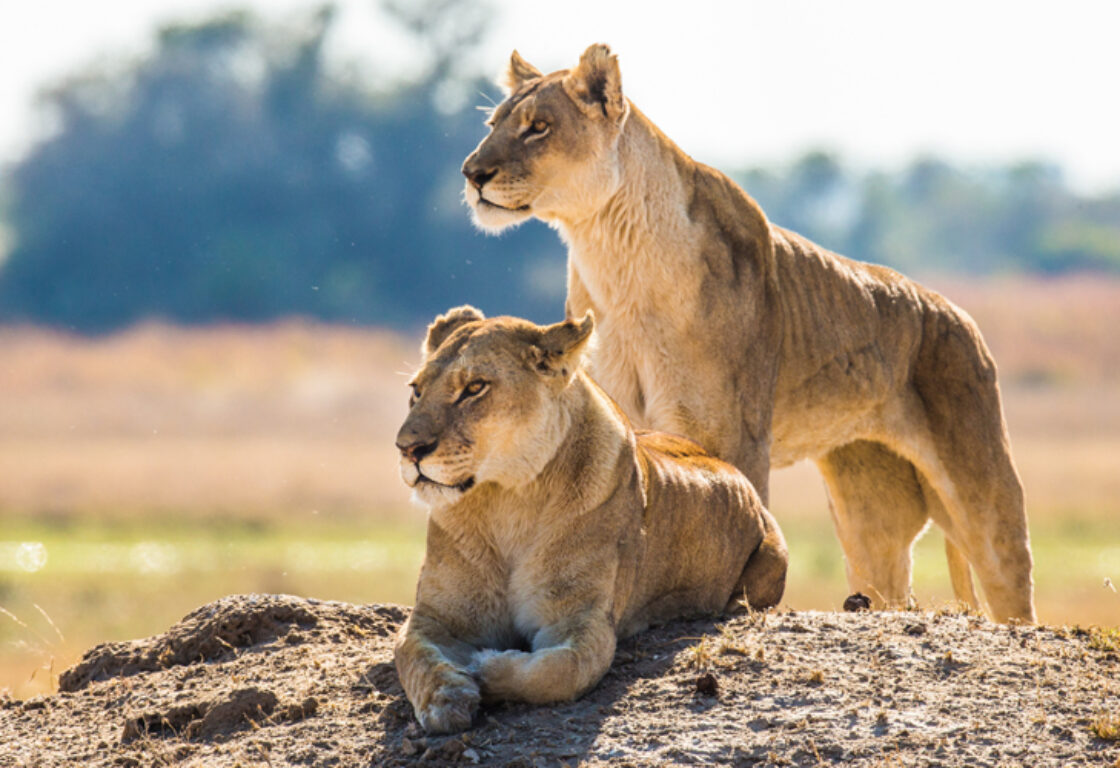
Elephant and buffalo are seen in large numbers, alongside giraffe, zebra and antelope such as red lechwe, which are well adapted to wet environments. Predators thrive across the Delta, with lion and leopard regularly encountered, while cheetah and African wild dog tend to favour drier, more open areas.
The waterways support hippo and crocodile and attract a wide range of birdlife. With more than 400 recorded species, including fish eagles, herons, kingfishers and storks, the Delta is also one of Africa’s most important birding regions. The mix of land and water habitats underpins the consistency and variety of wildlife viewing here.


Where to go in the Okavango Delta
The Okavango Delta is not a single uniform landscape. Instead, it consists of several distinct regions, each offering a different balance of wildlife and activities.
Chief’s Island stands out as one of the Delta’s most prominent areas. Permanent water supports strong predator populations, while both land and water activities operate for much of the year.
To the east, Moremi Game Reserve combines seasonal floodplains with dry woodland. Consequently, it delivers some of the Delta’s most reliable game viewing, particularly during drier months.
Further north and west, areas such as the Khwai Concession and Linyanti sit along key wildlife corridors. These regions attract large numbers of elephant and regularly produce strong predator sightings.
Meanwhile, in the southern Delta, areas like the Jao Reserve feature lagoons and permanent channels. Therefore, they suit water based activities particularly well when flood levels rise.
Choosing the right area has a direct impact on available activities and wildlife encounters.


Activities in the Okavango Delta
Activities in the Okavango combine land and water based exploration. First, game drives explore islands and seasonal floodplains, focusing on large mammals and predators. These drives form the backbone of most safaris.
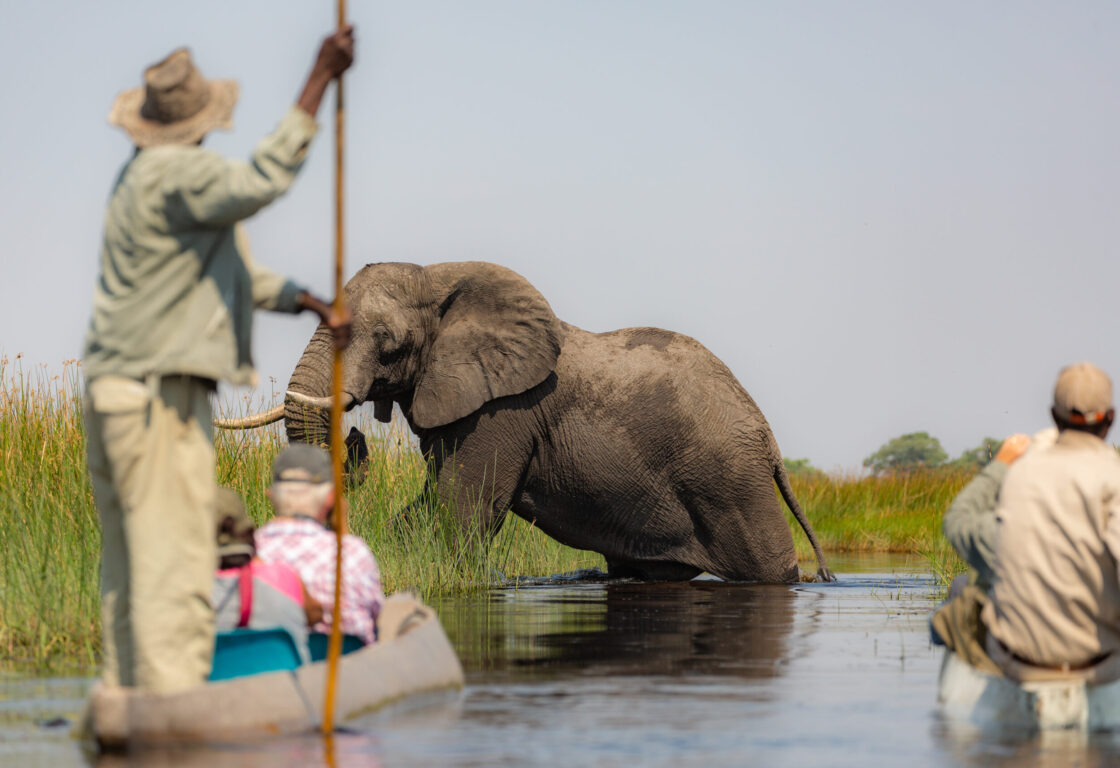
Then, during higher water levels, mokoro excursions allow quiet travel through narrow channels. These outings highlight birds, frogs and aquatic life. In contrast, motorboat safaris cover wider waterways and lagoons, offering a broader view of the Delta’s water systems.
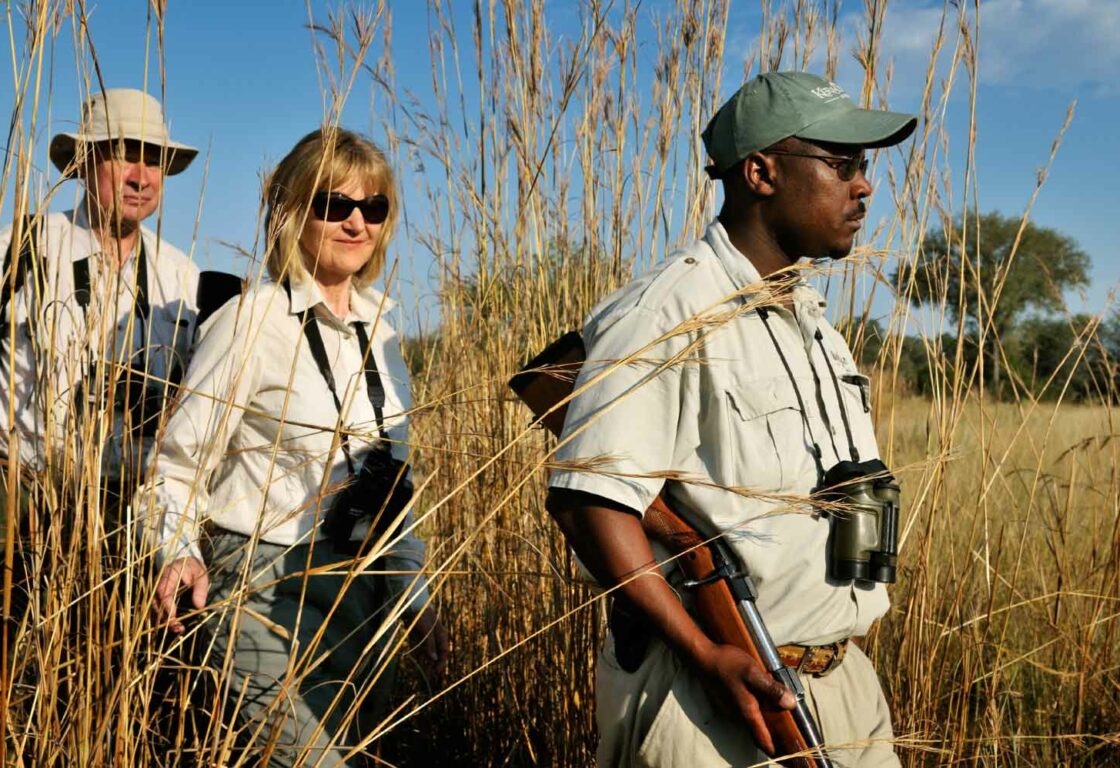
In some private concessions, guided walking safaris add another dimension. These walks focus on tracking, animal behaviour and the smaller details of the ecosystem. Together, these activities create a varied and well paced safari experience.


Safari lodges and camps in the Okavango Delta
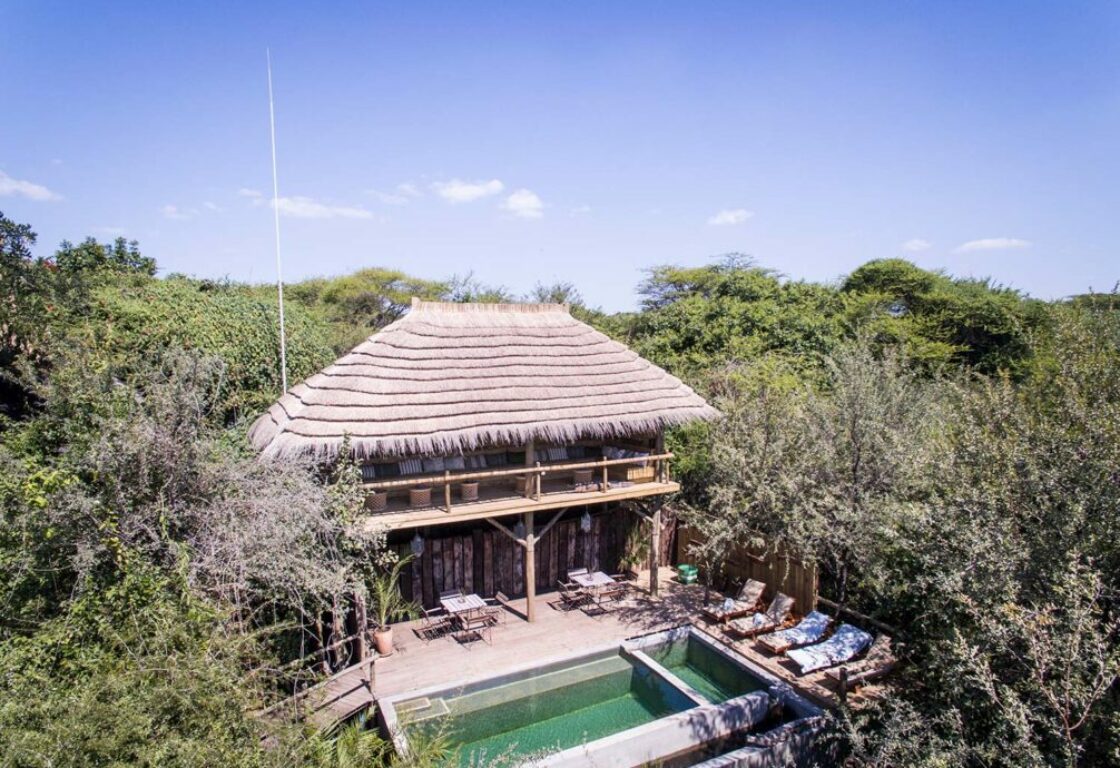
Accommodation in the Okavango Delta is centred around small safari lodges and camps, carefully positioned within private concessions or protected areas. The emphasis is on location, guiding quality and low impact design rather than scale. Most lodges are geared towards couples and adult travellers, though there are also a number of family friendly lodges that welcome children and offer more flexible activities geared to all the family.
Styles range from classic tented camps to contemporary lodges, with most stays fully inclusive, covering accommodation, meals and guided activities. Location plays a key role in shaping the experience, influencing both the wildlife encountered and the balance of land and water based activities available.
Alongside permanent lodges, some safari camps operate seasonally, moving with wildlife and water levels to maximise game viewing and mobile camping safaris allow the more adventurous to simply pack up and re-locate to different prime wilderness areas.


The Best Time to Visit
The best time to visit the Okavango Delta depends on your interests. For classic big game viewing and a good range of land & water based activities, the dry season from June to October is ideal. Wildlife congregates near water sources, and the floodwaters are at their peak in June and July, making this a prime time for mokoro safaris. Birdwatchers and those seeking dramatic skies and lush scenery may prefer the green season between December and March, despite the occasional heavy rain. Travelling in the shoulder months of April, May, November and December can also be highly appealing, offering fewer visitors and more attractive rates, while still delivering rewarding wildlife encounters.


Know before you go
The Okavango Delta is a remote wilderness and access is primarily by light aircraft, with camps linked by small airstrips. Safari holidays here are among the more expensive in Africa due to remoteness, limited visitor numbers and a low impact tourism model and most stays are fully inclusive, covering accommodation, meals & guided activities. Staying three to four nights in one area allows a better balance of activities and avoids a rushed experience. For the more adventurous, overland mobile camping safaris offer a deeper sense of exploration, supported by expert crews and guides as you move through this remarkable region. Wildlife encounters are never guaranteed and vary by season and location, making careful planning particularly important.


Talk to us about your perfect trip to Botswana
Call 01273 923100 to start planning your Botswana Holiday today.
Our top inspirational Botswana holiday ideas


Botswana Safari in Style Holiday
A safari adventure through Botswana’s iconic Delta and game-rich reserves, ending with barefoot luxury on a Zambezi island near Victoria Falls.


Kalahari & Northern Botswana Mobile Safari
Tracking lions through wild grasses, falling asleep to the low rumble of elephants under canvas skies.


Botswana Family Safari Highlights Holiday
A thrilling family adventure through Victoria Falls, Chobe, and the Okavango Delta, combining riverside wildlife, big game safaris, and remote tented camps in some of Southern Africa’s most iconic wilderness areas.


Botswana Walking Safari & Vic Falls
Ride deep into the wilds of Botswana and end above the Zambezi, with the smoke of Victoria Falls rising in the distance.


5 Rivers Botswana Safari Special
A thrilling 12-day flying safari through Botswana’s top wildlife regions, ending in style at the magnificent Victoria Falls.


Talk to us about your perfect trip to Botswana
Call 01273 923100 to start planning your Botswana holiday today.
Let's plan your perfect trip


It's about you
We create exceptional holidays, unique to you, managed in a way that makes everything easy for you, with the aim of surpassing your expectations every step of the way.


Real travel experts
Our travel expertise ensures authentic experiences, fantastic boutique hotels and outstanding guides that help create unforgettable holiday moments.
Peace of mind
- Unbeatable prices
- Our price promise
- A focus on owner-run properties
- Ideas & advice from true specialists
- Wonderful guides to steer the way
- 24-hour emergency support
- Financial protection from ATOL
- Superb sundowner ideas!